Love Is Not All

the_awakening_of_adonis_-_john_william_waterhouse_1899

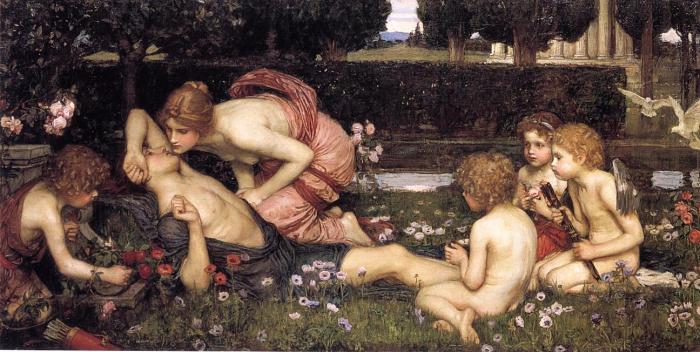
The Awakening of Adonis – John William Waterhouse (1899)

Tonight I feel tired and it’s time for me to leave, heading for bed… I really need to hit my pillow. But as I feel a bit nostalgic and reading other bloggers’ poems and writings inspired me making me have some longing feelings, I just wanted to leave this impressive poem tonight, before I go:

edna_t658

Love Is Not All

Love is not all: it is not meat nor drink
Nor slumber nor a roof against the rain;
Nor yet a floating spar to men that sink
And rise and sink and rise and sink again;
Love can not fill the thickened lung with breath,
Nor clean the blood, nor set the fractured bone;
Yet many a man is making friends with death
Even as I speak, for lack of love alone.
It well may be that in a difficult hour,
Pinned down by pain and moaning for release,
Or nagged by want past resolution’s power,
I might be driven to sell your love for peace,
Or trade the memory of this night for food.
It well may be. I do not think I would.

Poem by Edna St. Vincent Millay
Form: Sonnet
ednastvincentbiography2029
The Hypnotist Collector

International Reading Year!

Sounds like an excellent idea!

frenchc1955's avatarcharles french words reading and writing

narrative-794978_960_720

(https://pixabay.com)

There is nothing official about this, but at this blog, I am declaring that this whole year from September 6, 2016 to September 6, 2017 is International Reading Year! Care to join me and spread the word?

If you like this idea, please tell as many people as you can.

And thank you to various people in the blogging world for suggesting continuing National Read A Book day!

book-863418_960_720

(https://pixabay.com)

View original post

Clean Cut Kitchen

I was just going to write a brief article about a Bob Dylan video a friend of mine posted recently, but then I realized I had not cleaned up my kitchen in depth since a lot of time, nor even tidy it up conveniently. That’s why I thought, “It’s Sunday, a nice chance to do some homework,” and felt I should start with my cleaning tasks and leave the video footage related article for a more thoughtful moment. Dylan can wait ;).

So I spent some time doing what I thought I should do and was necessary, and I finally got my kitchen done. I feel proud to watch now the result of my work and for some reason I think it would be a nice idea to share my clean cut kitchen as it looks now. That’s what I’m doing, so some of you may understand my fine mood this afternoon 😂😂😂.

image

This is how the kitchen floor brights right now on a semi-cloudy evening. The next picture will show you the aspect it all has got after the gold rush 😜…

image

Some of you may think, “why do we really care?” and “for WHAT reason does it matter to him, TheHypnotistCollector, to show us these low resolution pictures?” The reason is simply that I love that awesome Robert Johnson blues, “Come On In My Kitchen”

And looking at my dirty untidy place I recall the lyrics… “you better come on in my kitchen, it is goin’ to be rainin’ outdoor.”

The Hypnotist Collector

A Life Without A Song

Hard to imagine a life without a song. Music is all around in every beat of mother nature; Singing birds, whispering rivers as they flow to the sea.

Albert_Bierstadt_-_Among_the_Sierra_Nevada,_California_-_Google_Art_Project

Human kind was singing from the beginning of time. Now I think of a life without a song and it seems to me empty, devoid of emotion, deprived of memories and feelings evoked by a singing voice.

PaintingSingingBird

Sometimes I listen to a song for a little while and then, without even noticing it, it gets stuck inside my mind. I might forget about it and not care anymore, but then, at a certain point, might be days later, it comes to me from the back of my mind and soon I realize it is there to stay. I can’t get rid of it. It is on my brain, sounding over and over again. It feels good, though. It is like setting a particular nice mood making me feel delighted, calm and satisfied. And I find myself enjoying the music and the lyrics as they resound in my head. At times it happens that I feel an urgent need to listen to the original track again and I have to find it and make it sound in my music player. That’s a great listening experience. It becomes such a pleasant feeling! Don’t know why it happens and I guess it is something happening to all of us, most likely, at one time or another.

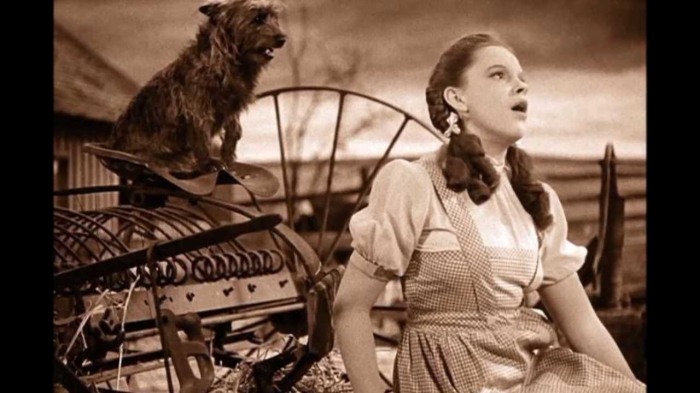
maxresdefaultJudy Garland in “Wizard of Oz” singing “Somewhere Over The Rainbow”

We have many people doing songs for us; singers, songwriters, musicians… and they all produce sounds that may fill up our hearts and souls. So I want to express my gratitude to all of them and ask you all to also be grateful for the songs you love. Because we shouldn’t take them for granted… and a life without a song would be a lost life.

The Hypnotist Collector

Paintings:

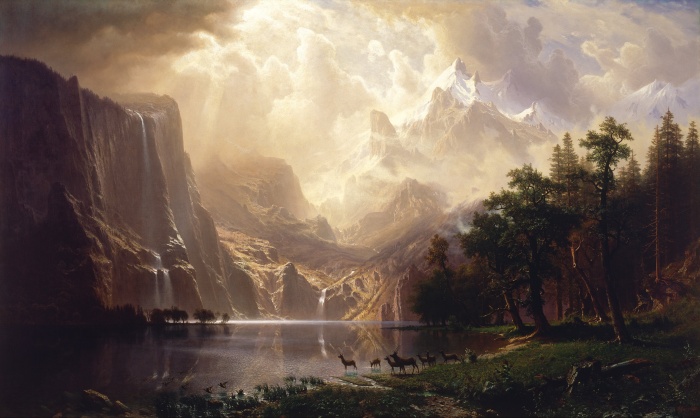
  1. Albert Bierstadt “Among The Sierra Nevada, California” Google Art Project
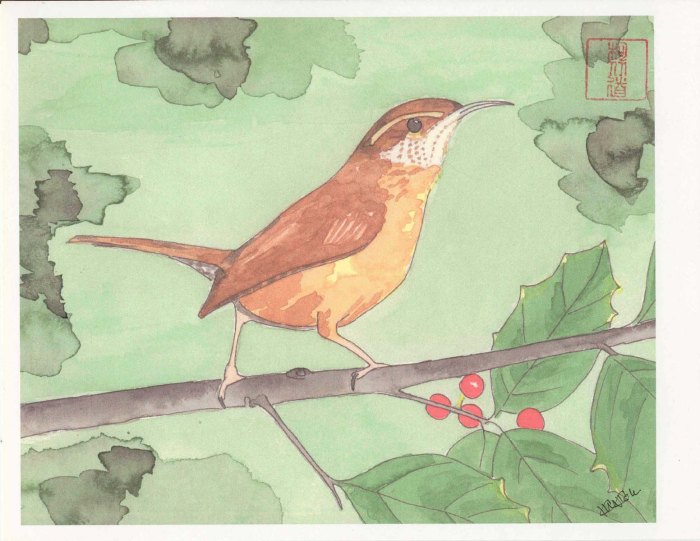
  2. Carolina Wren “Thryothorus ludovicianus” on American Holly Ilex opaca. Copyright 2004, 2005 Carl W. Cole Personal Website.

Palace of Guzman and Sonorama 2016

20160813_191901

Last Saturday I attended a more than entertaining show next to the Palace of Guzman featuring street artist Joaco Showman. The performance was held at the town square near the church, in the picturesque medieval hamlet in Burgos province, which gives its name to the palace.

20160813_171151

It was a show of magic and humor promoted by the owners of Posada de Guzman (Guzman Inn). The aforementioned palace, acquired by its current owners, was restored in 2001 and converted into an inn for tourists interested in rural hiking.

Both the artist Joaco Showman and myself, as a representative, had been invited to spend the weekend at the palace inn, following the performance. I have to thank the owners for their hospitality and excellent service shown to us. Our stay could not have been nicer. They shown extreme hospitality at all times. For lunch we were treated with a delicious oxtail, our choice of drinks, and good coffee. We also enjoyed a great dinner, a very nice comfortable room and a hearty breakfast with coffee or chocolate milk, juice, fruit, cake and all kinds of pastries. The visit would have been worth it if only to enjoy the facilities of the beautiful medieval palace, decorated in the purest Castilian style with exquisite taste.

On Sunday, as we approached Aranda de Duero to take the bus back to Madrid we found the Music Festival of Aranda, Sonoroma 2016. They said around there that attendance at the Festival this year had doubled the population of this relevant town in Burgos province. This is an event that has more followers each year. No wonder it does, since the organization and quality of the participants improves year after year.

In the preavious year’s event they were already about one hundred bands and artists who performed on Sonorama stages, either located within the enclosure of the Festival, or else within the various squares of Aranda de Duero.

Bands of remarkable quality level such as Calexico, Tulsa, Bambinika, Biznaga, Vetusta Morla, The Parrots, Los Toreros Muertos, Neuman, Marlango, Los Nastys, Dorian, Arizona Baby, Bigott, Dinero, Mercromina, Mucho, Correo, Clap Your Hands Say Yeah, Belize, Smile, Supersubmarina, Zahara, Lichis, Lucia Scansetti, Anna Calvi, la Maravillosa Orquesta Del Alcohol (the MODA), La Habitacion Roja, Reykjavik, Noreste, Australian Blonde, Angel Stanich, Rufus T-Firefly, Pecker, Sexy Zebras, Reina Republicana, Acrobata and Los Vengadores among others …

Sonorama 2016 Poster

sonorama-cartel-por-dias

In this year’s event there were also a high number of participants. Among the early confirmations artists included were of the stature of:

091, Second, The Hives, Senores, Love of Lesbian, La Frontera, El Nino de Elche, Mucho, Miss Caffeina, Luis Brea y El Miedo, Izal, Ellos, Delorentos and Carlos Sadness.

Belako, Elyella DJ’s, Exsonvaldes (with Elena Miquel), Leon Benavente, Julieta 21, Kula Shaker, Nudozurdo, Quique González, Onda Vaga, Sidecars, Supercroma, Triangulo de Amor Bizarro, Molotov, Mando Diao, Angel Stanich, Corizonas, Egon Soda, Manel and El Duo Dinamico.

Confirmed later, among the most notable participants were the following:

Fuel Fandango, L.A., Alex Cooper, Delorean, Digital XXI & Stefan Oldsal, Maga, Micky and Los Colosos del Ritmo, Carmen Boza, Bozza, Morgan, Embusteros, Super Ratones, Fizzy Soup (winners of de contest “Talento Ribera”) and Perro.

It’s all over now and there’s only one thing left to do, just wait until next year.

Hypnotist Collector

Bibliography:

Todoindie (July 19, 2016) Sonorama 2016/Cartel/Entradas/Horarios. Retrieved August 14, 2016 from http://todoindie.com/sonorama-2016/

Revolver

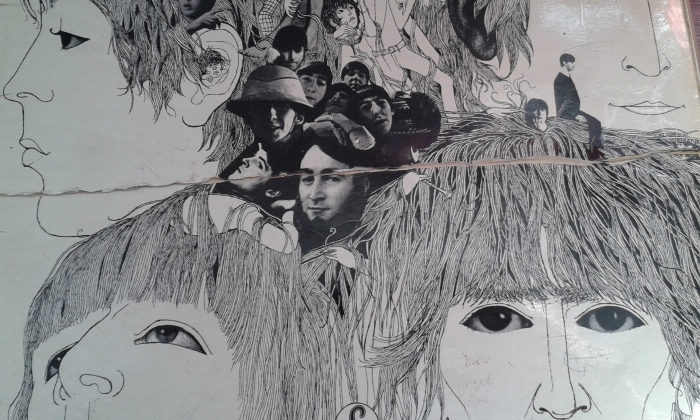
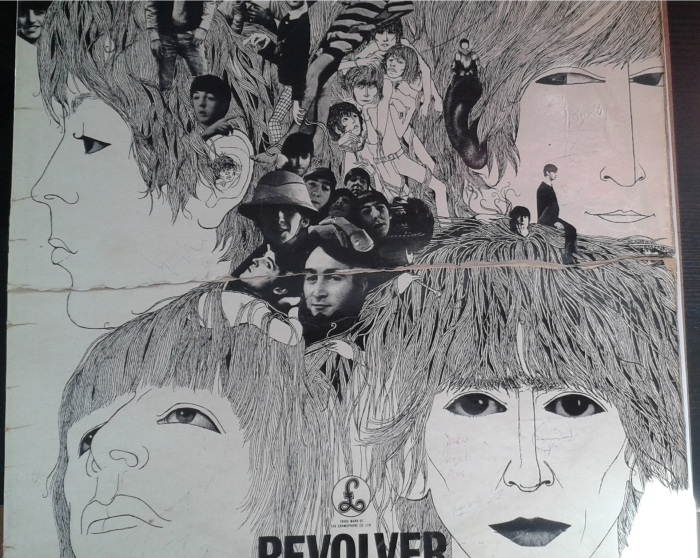
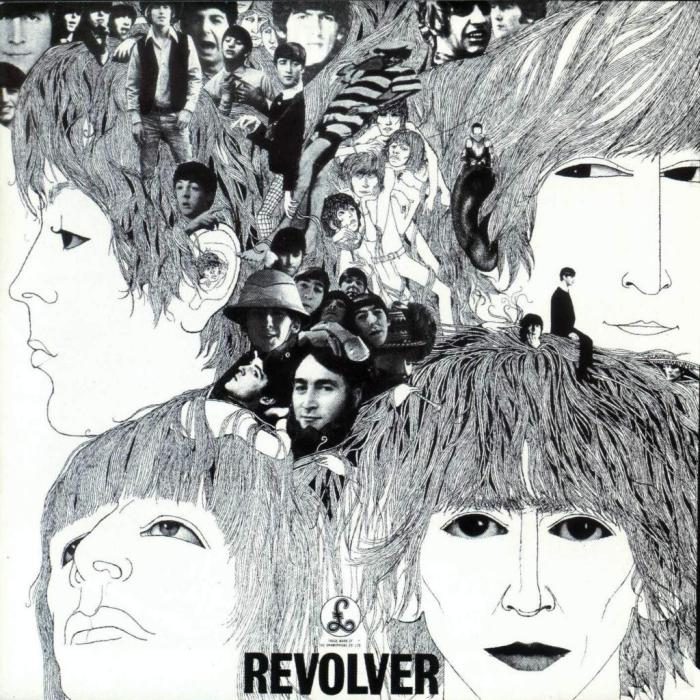
Last Friday was the 50th anniversary of the release of the Beatles album “Revolver” in the UK. It didn’t come out until August 8th in the USA though, so it is 50 years ago today since the USA release.  By one of those weird coincidences of life, no more than three weeks ago I received a message from my good friend Valentin Calderon, a well known Bob Dylan fan in the Spanish trading circles. In his note, my friend asked for advice in order to value and certify an original copy of “Revolver” vinyl LP signed by the Fab Four.

20160724_174638

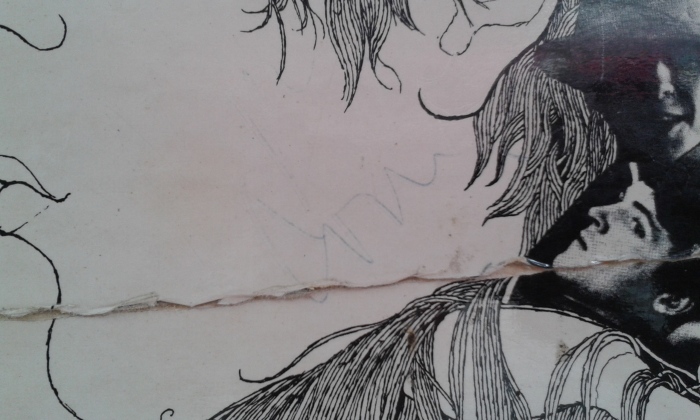
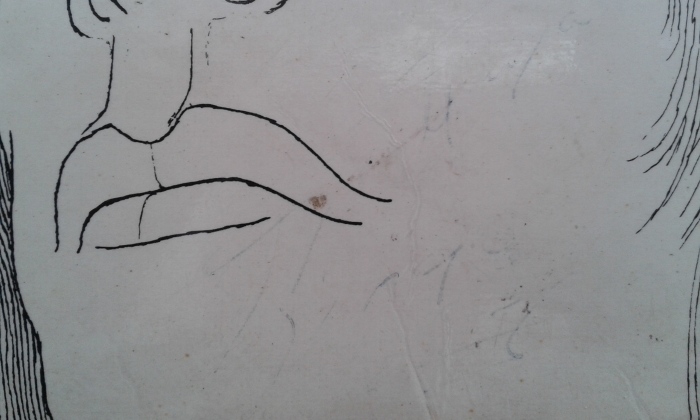
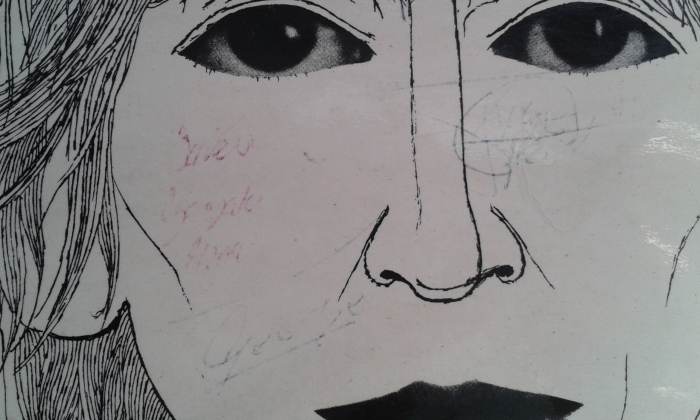
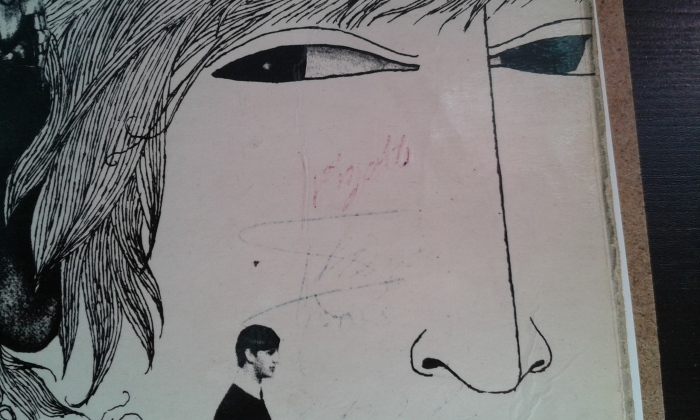
He told me that he has this original UK release from the Parlophone records label in his possession. The cover is torn out in the middle, as seen in this picture above, but the 4 Beatles autographs are still there, well preserved and still visible, though a bit washed out by the time. Valentin has no doubt that the signatures are authentic, since he received it as a gift from a close childhood friend who got it himself from his own mother. She was working in London at the time and had the chance to get her album signed when she met the Beatles at her workplace.

20160724_174605

I asked for help from a friend of mine at the facebook group “Everything Beatles.” Of course he was really kind and gave me a couple of URLs of dedicated websites where they could help with information about signed copies of the Beatles albums. I wrote them asking for advice regarding this subject, but I didn’t get a reply.

20160724_174614

20160724_174629

Before making a few comments on some “Revolver” particularities, I wanted to mention my friend’s request and let you all know about it, in case anybody out there could help or tell us how to proceed.

20160724_174553

Another curiosity of the mentioned item is that there’s one more autograph seen above John Lennon’s signature. I couldn’t tell for sure but I checked the net for comparison and it seems like it could be signed by Lester Pigott, the famous British jockey, several times winner of the Epsom Derby.

20160724_Revolver_signed

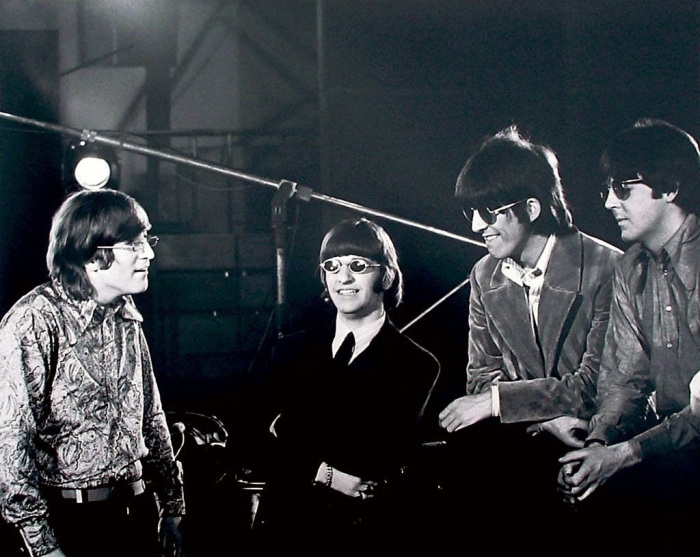
As a tribute to this LP which many people consider the greatest masterpiece among The Beatles concept masterworks, I will comment on a couple of curious facts regarding the studio recording sessions. Geoff Emerick, the sound engineer, once declared: “With ‘Revolver’, it was more about making things sound different, rather than real.” As an example, we can hear a seagull screaming sound on “Tomorrow Never Knows” which was actually McCartney’s laughter played double-speed and reversed. Another interesting thing to point out was the Brass Band included in “Yellow Submarine” and the funny crazy session where Brian Jones, Marianne Faithfull, Pattie Harrison, Neil Aspinall and even Geoff Emerick and George Martin were singing along in the chorus. No doubt the LP revolved things as no other pop-rock effort had ever done before.

revolver

Robert_Whitaker-Revolver_66

The Hypnotist Collector

Bibliography:

Scapelliti, Christopher (August 5, 2016) The Beatles’ ‘Revolver’: Guide to the Songs, Instruments and Recording Equipment. Retrieved August 8, 2016 from http://www.guitarworld.com/guide-recording-equipment-songs-and-instruments-featured-beatles-revolver-album

Cabrera, Enrique (©Copyright 1996-2000) Only Some Northern Songs In Revolver. Retrieved August 8, 2016 from http://www.upv.es/~ecabrera/revolver.html

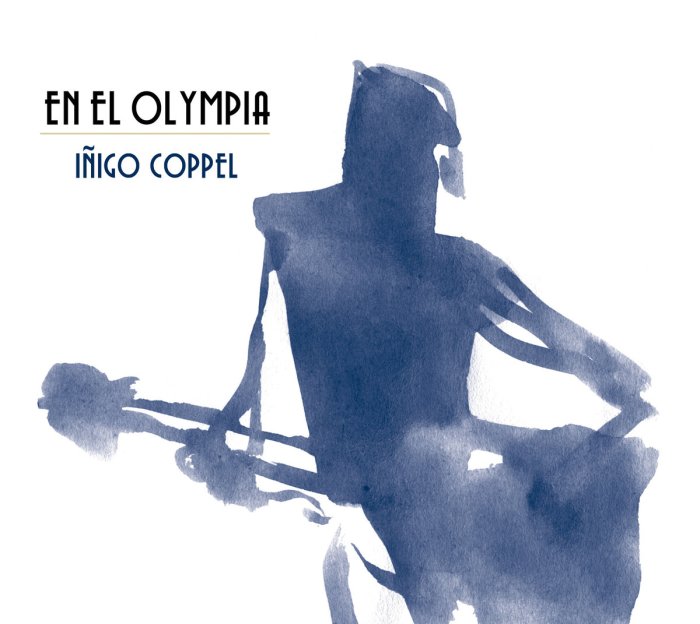
Iñigo Coppel “En El Olympia (At L’Olympia)”

I have already written about Iñigo Coppel previously. He probably has more potential for success than any of the newest singer/songwriters in the current Spanish musical scene. His new album, already recorded, “Los Nobles Salvajes (The Noble Savages)”, which I was referring to in a previous article, is now in the final post-production phase and will be released after the summer. In the meantime, today I want to call my readers attention to his previous work, an excellent album produced by Jose Nortes and recorded live at the Old Artuset Tavern on December 27, 2013.

a3803126257_10

The CD begins with the unusual cut “Iñigo Coppel Viaja a La Edad Media Y el Rock and Roll Salva Su Vida (Iñigo Coppel Goes to the Middle Age and Rock and Roll Saves His Life.)” It is an epic poem that gets you immediately trapped in a surrealistic frantic race where a hapless street singer narrates in first person what happened when, by an inexplicable phenomenon, he travels back in time to a medieval past. I don’t want to make a chronicle of the album or analyze here the songs or value them in any way. I’m just inviting you to listen to a disc which, in my opinion, it’s worth the effort and it is quite possibly that you may end falling in love with it, if you pay close attention to it. Just let yourself go with Iñigo’s overwhelming ability to convey emotions and tell stories with a sarcastic sense of humor. You might also feel the immense sensitivity with which he pours his truth on our souls to get to the core of things with unflinching honesty.

The song called “Tango Del Amante Traicionado (Tango of the Betrayed Lover)” leaves a bitter smile on the listener after the loud laughter caused by this final verse:

“People used to talk about faith!
This is just enough to make one lose his faith!
We live harassed by infamy,
These are times of chaste love and monogamy,
We cannot fall down any lower than that!”

Because, filled with nostalgia, you may think how true that sentence is: “only lovers believe in love.” And, after all, you may also think how pitiful betrayal is, even if you change the approach looking at it from the other side. Here the songwriter, with an incredible sense of humor, makes the poor guy, who was once the accomplice of a first disloyalty, become the true victim.

Then we find that unimaginable ballad, “Serenade for C”. The accurate description of that someone you silently love without understanding how it is possible that such a human being can live with the anguish she does. How can she feel sadness, pain, fear, anxiety and the infinite loneliness that surrounds her… despite herself and her perfect beauty? “Who can believe it?” But you understand, because through the author’s eyes you get to love her. It is just before the third stanza, while the magic violin of Manu Clavijo makes its appearance, when this serenade takes on the meaning and gets to string together all the elements, completing the image captured in the composition.

Photo_008

Coppel’s guitar starts as an angry protest like one of those that Bob Dylan gave to the world in ’63. He certainly gets the same narrative strength, the same musical impact and the same conviction. Only difference is that the issue here is, if the murder of this man, who was executed by the narrator himself, made any sense. “Are you sure he was a fascist? Are you sure there will not be anybody else like him anymore?” The song not only protests against this macabre practice and makes us aware of the fact that they most likely chose the wrong victim, but also reveals that the choice, by the same token, could lead them to murder a half of the humanity.

The next track contains my favorite song on the album. Do not ask me why. Nevertheless, I will try to offer an explanation. “Acaba Conmigo (Just Kill Me)” is a sincere act of contrition and, as such, it is moving. Its incisive succession of chords captivates me. The lacerating tone of the melody, accompanying the recognition of guilt in the afflicted voice of Iñigo penetrates me as the sharpening steel of a razor. Assuming capital punishment as the only way of redemption wreaks havoc on my emotional integrity. And when, willing to pay with his life for the damage done, he exclaims: “Shoot me, what are you waiting for?… Just kill me at once,” I can’t help but tear my soul apart.

Photo_007

As a statement of principles, as an act of faith in the function of the minstrel, Iñigo Coppel then recited this poem which goes straight to the heart. “En El Olympia (At L’Olympia)” tells of a lost faith recovered during the encounter with Gardel and all the great singers he met, when, as the song says, “The paths of life -listen to me, ‘mes amis’- they dragged my wounded soul to L’Olympia in Paris”.

“Laura y las Desventuras Del Joven Coppel (Laura and Young Coppel’s Sorrows)” narrates with a large dose of sarcasm of a first failed love affair which turns out to be a victory, a fulfilled purpose and a reaffirmation as a human being. And it does it with a rock beat of enviable skillfulness.

Again another chilling ballad this “Recuerda El Viento (Remember the Wind)” that the musician from Bilbao sings to a piano, reminding it once was a beautiful oak, that it was once free and noble. That was just until they tore it down to make it that lonesome piano which is now placed on a corner of the stage in a singer-songwriters cafe.

“Oiga, Que Hubieran Estudiado (Hey, They Should Have Studied)” precedes the last track on the disc. This is a unique blues that the author dedicates to all those women who choose the company of guys like him instead of those glamorous achievers and sophisticated musicians. Great tune that, filled with irony, deals with the question of success, the true value of artistic creation and the thorny issue of a shallow motivation to engage in this music thing to make a conquest of the opposite sex.

The final tune, entitled “If I ever die -God forbid-” is, as its name suggests, an artistic testament. That’s only in appearance; it is actually much more than that. It is like an examination of conscience; it becomes actually an account with the past to extract everything learned and to reassert his beliefs. Ultimately it is the confirmation of being on the good road, having come a long way, finally at peace with himself. As he says: “No one can steal from me what I sang, I learned to be on my side, I died quite sane and had a happy life“.

https://coppel.bandcamp.com/album/en-el-olympia

The Hypnotist Collector

Stay With Me

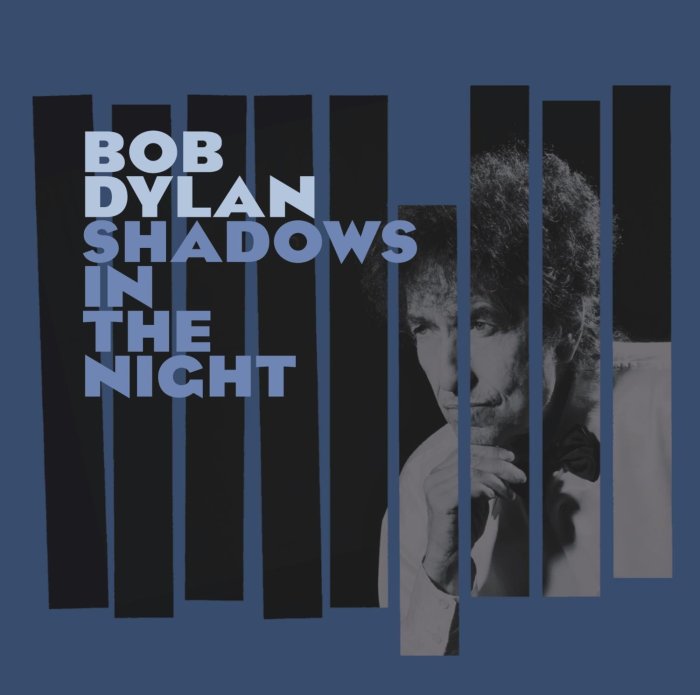
bdShadows_In_The_Night_Front

I was not very diligent when it came to getting myself a copy of the penultimate Bob Dylan album, “Shadows in the Night.” Otherwise I would have run to the Amazon online store to pre-order it as soon as it was available. But the handful of covers of old songs sung by Sinatra did not particularly catch my attention, especially when none of the titles of the selected songs looked familiar to me. In fact I never got to buy it on my own initiative, but it was a gift someone gave me that I could never be grateful enough for.

The first time I heard it I did it lamely while devoting my time to other activities that would surely provide me a more immediate gratification. Or so I thought. One sometimes can be quite banal, even “snobbish.” My first impression was to welcome it strangely, as another daring feat of the famous curmudgeon, determined to demolish his legend. And I thought, “too gloomy, but anyway, it’s all right, he has more than earned the right to do what he pleases.” I said, “No matter, I’ll listen to it later more closely with the due respect it surely deserves. I have to put my five senses in the lyrics and the way he sings them.” And so I did. The next night I sat quietly and carefully listened to savor one by one each of the pieces of such a refined mosaic.

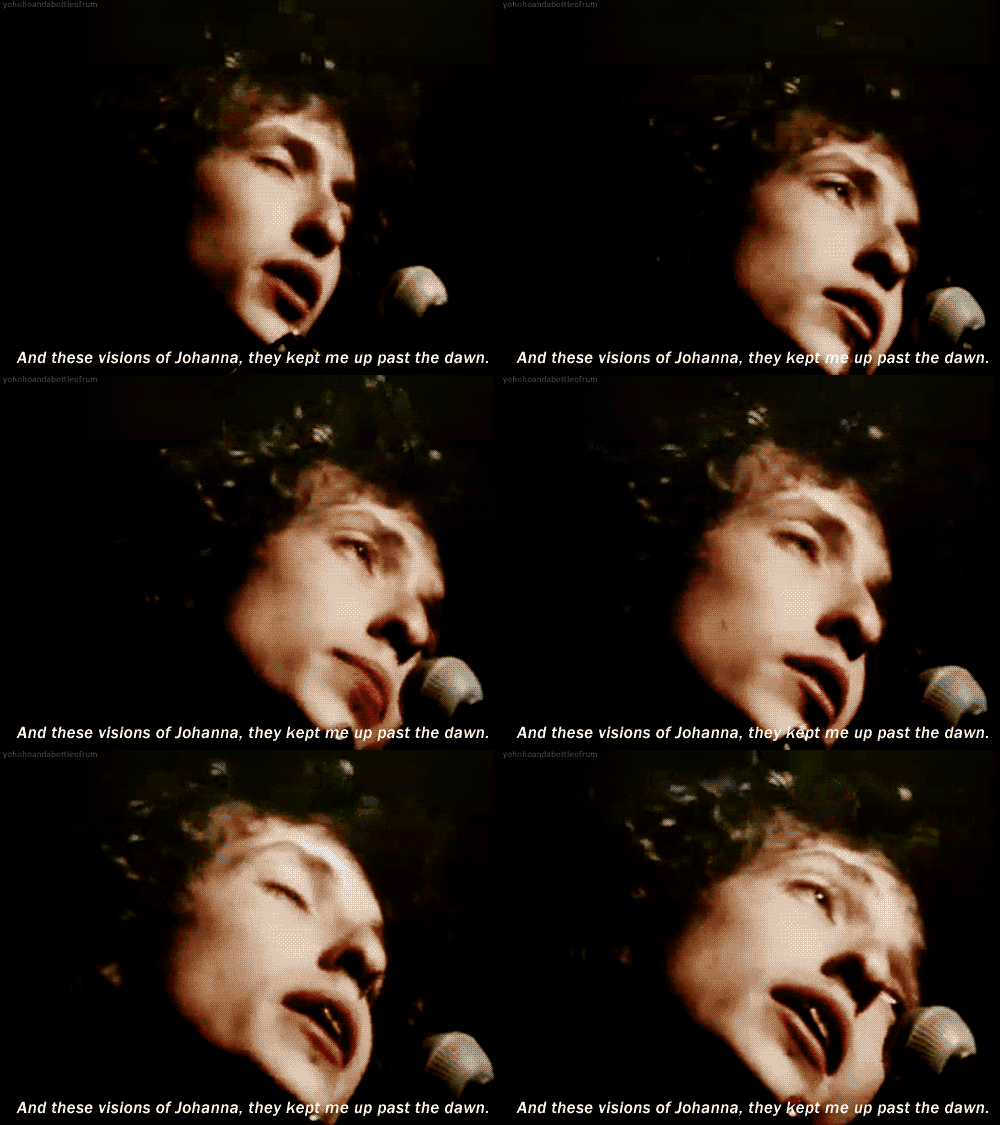
Why did I do it? First of all, as I said before, respect for the artist. Then, because, after so many years, I know that to get the real pleasure that understanding Dylan means, it is not enough just a first listen or a superficial approach. In fact, it’s necessary to penetrate the soul of the performer, chasing his rhymes to the last breath. No wonder the first time I heard “Visions of Johanna” I felt it was an unbearable litany. However, it soon ended up being as essential as “Desolation Row” and “Gates of Eden.” Those were meaningful songs. With them I came to understand that there is a peculiar beauty beyond the confines of reality and no matter how long one may argue about what is real and what is not, none of that does really matter within the place where Bob Dylan invites us.
VisionsOfJohanna_by_T.ScottMcLeod

giphy

Back to the main subject, what really matters is what happened after that. The gentle breeze of “I’m A Fool to Want You” lament was caressing my ears. The song evoked the warm tenderness and wrenching revelation of an unhealthy love that must be eradicated, but impossible to live without. The next cut uncovers the beautiful sadness in the evocative voice already worn out, transmitting the emotion of that bitter end in which the moon went down and the stars were gone, but the sun did not rise at dawn. There was nothing left to say, “The Night We Called It A Day.” All those heartbreak stories, hopeless loves that hurt and are at once unavoidable, sung with the mastering skillfulness of a gifted storyteller with a hoarse and pained voice and the extreme ability of a seasoned performer with the experience of half a century.

All of this was happening when the melancholy sound of the third track came to my ears, opening again my sense of perception as so many times before. I was mesmerized once again, though this time my thoughts ran along very different paths, back to a remote past that I could not even remember. The song, titled “Stay With Me” had made its live debut a few months earlier, played by Dylan in concert on October 26, 2014 at the Dolby Theatre in Hollywood, CA. Naturally I had heard the live version and probably some later performance from the same tour that would have impressed me quite favorably. However, I had not devoted the necessary attention yet to the studio recording filling now the room of my apartment. Something in that interpretation moves me and suggests a more thorough analysis. I have to listen to it again to talk about it. I leave it by now till the end.

bdShadowsInTheNight-Sinatra-covers-photo

Bob Dylan’s album, Shadows In The Night, released on February 3, 2015
A selection of songs made famous by Frank Sinatra

I continue to pay attention to “Autumn Leaves”, full of nostalgia and melancholy. It is a rounded composition that Dylan sings with considerable conviction and an unprecedented mastery never seen this way before in his recording career. We might say it is undoubtedly the most successful performance of the disc, for those experts in vocal technique, along with the previous cut, “Stay With Me”, which we will discuss in depth later. Let’s not forget the title that closes the album, “That Lucky Old Sun”; that wonderful prayer of the poor exhausted worker who envies the sun for doing nothing but wandering around heaven all day. That’s a tune that Dylan sang with some frequency in ’86 and then in Madison ’91, where he did an unforgettable version. He sang it again, but never in a register even vaguely resembling the way he does it here on this record especially designed for music lovers. “Why Try To Change Me Now” is next in quality to these aforementioned cuts, talking about dreams lying on the ground. The old troubadour sings a complaint of a sentimental wanderer unable to be what he’s not. He’s singing it with veiled skepticism and a certain irony drawing on the indolent nature of his autumnal voice. It’s all about the impossibility for an unfortunate dreamer to lead a conventional life. The song refers to someone who accepts himself and accepts his fate, allowing people to speculate and laugh at him. Don’t you remember? I was always your clown. Why try to change me now? “Some Enchanted Evening” does not detract from the rest, but perhaps it is the track that had less impact on me throughout the album, along with “Where Are You”, even if the latter sense reminds me of “Lay Lady Lay” or “If I Threw It All Away.” Though I love the way he is humming that swinging tune when he says: “Who can explain it, who can tell you why? Fools give you reasons wise men never try.”  It almost reminds me of a certain Christmas carol and has its magic.

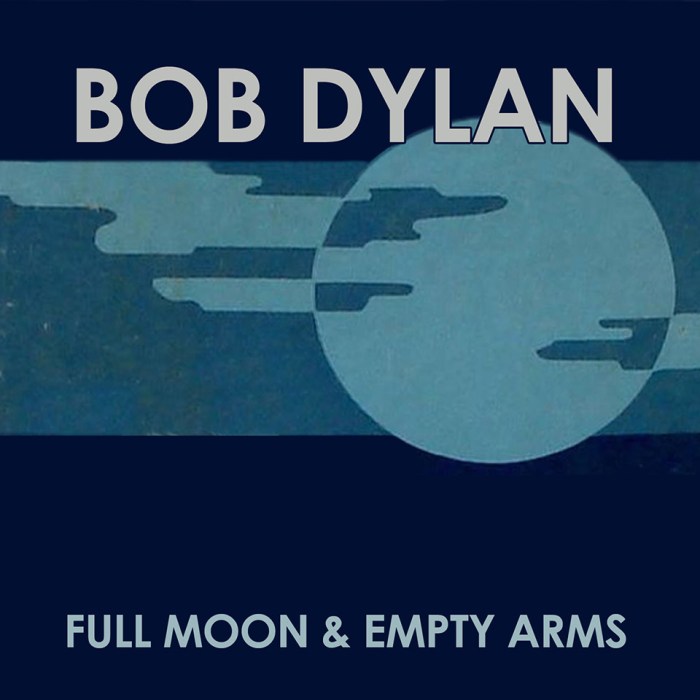
The melody of “Full Moon and Empty Arms” wraps me in its romantic aspiration and leads me into another dimension. It works as a throwback to the 30’s, invoking a time that I never met except in the American movies. Its cadence gives way to the unfounded hope of a dream that, in the disenchanted voice of the outdated ‘crooner’ Dylan has become, sounds too illusory. Softly, the song, much more toned with the appearance of a sigh than with the formulation of a desire, wakes up in me emotions that have much to do with broken dreams. It also opens a loophole to the still remote possibility of a rewarding end:

“Full Moon and Empty Arms
Tonight I’ll use the magic moon to wish upon
And next full moon
If my one wish comes true
My empty arms will be filled with you”

However, in the current Dylan’s voice, as he uttered those words, the way he marks the breaks, how he phrases it in that warm and grave whisper, leaves the listener yielded to discouragement. Most likely there will not be another full moon, and if there is, one tends to believe those arms will still remain empty.
bob-dylan-shadows-in-the-night-FullMoon

The first two times I heard “Where Are You?” it did not say too much to me. It’s a corny song, I thought, and although its performer strives to put all of his faith into the heart of this old tune the result seemed a little loose. What is surprising is that listening to it now several times in a row trying to find adjectives to describe my impressions, I just ended up admitting that there is a certain beauty in it. Has a taste of ripe fruit, reminder of a distant past. It is the sweet, sad scent of nostalgia. I tried to express what the nuances that the veteran artist of Columbia incorporates on his version suggest. But in the end it didn’t matter, because what really transcends is not the quality of his performance, but the patina of time. I mean that old flavor that not only belongs to the song itself but to the very nature of the voice that interprets it.

Next is about the penultimate track. What’ll I do when you’re far away and I am blue? What’ll I do? When I am wondering who is kissing you what’ll I do? I know what you’re going to tell me, could be a song by José Luis Perales. It may appear so. But it’s not like that. Not such a kind of song, at least not in Dylan’s voice. While listening to this stanza:

“What’ll I Do with just a photograph
To tell my troubles to?

When I’m alone
With only dreams of you
That will not come true
What’ll I do?”

We can see that haunting image of the subject drowning his sorrow at the only one photo he possesses of his beloved one. That’s a passage that hardly fits into the idea that I have of the Spanish singer. And I say that without involving any contempt for the work of the songwriter from Castejon (Cuenca). But for me “What’ll I Do” is not among the best cuts of the disc, either. I have already mentioned the most remarkable ones and it only remains to be said, before analyzing my favorite song from the CD, that the finishing touch comes with “That Lucky Old Sun” in a masterful performance. Bob Dylan usually ends his studio albums with a significant track, generally of high quality. And this “Shadows in the Night” is no exception.

bd-w-Frank-and-Bruce

Bruce Springsteen, Frank Sinatra and Bob Dylan

I had seen “The Cardinal” many years ago, but could not remember the argument. I was warned that the main theme on the soundtrack of the film was the tune of that “Stay With Me” which was performed by Dylan at his Hollywood concert. I was also informed that the song belonged to his then new album, “Shadows in the Night”, something I was not aware of yet. Equally, it was also announced to me that the content of the film probably had much to do with the decision of the singular performer to include the song in his last work. For that reason I decided to see the movie again and I’ve seen it once more now to have it fresh in my mind as I write about this piece which seems to me the soul of the disc.

TheCardinal_xlg

The cinematographic work is about faith and loyalty, not only the Catholic faith, but faith in one’s own convictions and loyalty to principles. This is a complex and ambitious film about the power of church and the powers that be, in the socio-political aspect. Nationalism, totalitarianism, racism and discrimination of any kind are severely criticized in the movie. On a personal level it runs between existential doubt, the reaffirmation of faith to overcome weakness and the loyalty. Basically it raises the dilemma of choosing between faith, loyalty to principles, or loyalty to the people who trusted us. And it is in the moments when the question arises that the main theme appears on the soundtrack. The same melody starts again whenever loyalty to a human being becomes the main subject, whether referring to friendship, fraternity or humanitarian devotion.

And indeed the song moves between these two issues, faith and loyalty, which appear to be linked with each other in the plot. A closer look at the lyrics reveals that it is written as a prayer. The doubts about faith, existential concerns and weakness, give way to feelings of loneliness and then weariness and despair ensue and know only one consolation: the continued support and loyalty of those we trust, whether God or anybody else.

Another interesting factor that dominates the film and is seen in the first line of the song is the internal struggle between humility and ambition.

I firmly believe that Bob Dylan knew the film well and effectively choosing “Stay With Me” was conditioned by the theme of the film and the use of that melody made on the soundtrack. Hence the performance of the controversial ‘crooner’ highlights moments of weakness and does not seem to seek shelter in faith and trust on high through humility and prayer, as suggested in the lyrics. But instead, seems to have more confidence in the loyalty of his fans who remained faithful, in spite of everything.

It is revealing the way he pronounces this:

“And I go seeking shelter
And I cry in the wind”

And how very seriously he intones the final stanza:

“Though the road buckles under
Where I walk, I walk alone
Till I find to my wonder
Every path leads to Thee
All that I can do is pray
Stay With Me
Stay With Me”

In the film, when the sister of the future Cardinal receives a slap from her mother for initiating a courtship with an individual of Jewish origin and the mother insults her by calling her ‘slut’, the girl runs upstairs to find shelter in her bedroom. Brother priest comes up to comfort her and tells her as he embraces her:

“Remember when you were a little girl and I hugged you and said: ‘Hold me tight and no matter what happens hang on me and never let me go’?”

TheCardinal-Photo

The music of this ballad sounds again when Mona, the girl, confesses to her brother that she had carnal relations with the Jewish guy. The priest, based on his Catholic faith, rejects any option other than repentance, compelling her to leave her boyfriend forever. Offended and betrayed when she tried to cling to him to save herself, Mona fled in horror without receiving absolution.

That is exactly the same feeling that I perceive in Dylan’s performance. And it is what I think Dylan conveys in his version of this song which, in his hoarse lament, becomes sublime. The fear of not being understood, feeling rejected, betrayed. But more than a prayer, it sounds like a plea when he says: “All I can do is pray”. And it seems to me I hear him say, “Hang on me and never let me go, stay with me, stay with me.”

bdShadows_In_The_Night_Back

The Hipnotist Collector